Life of Ocean Seabirds

Arvind Singh
| 08-06-2026
 · Animal Team
Seabirds are birds that spend most of their lives connected to the ocean. They depend on marine environments for food, movement, and survival, yet still return to land to breed.
Their lifestyle represents a unique balance between sea and shore.
From Cliffs to Open Oceans
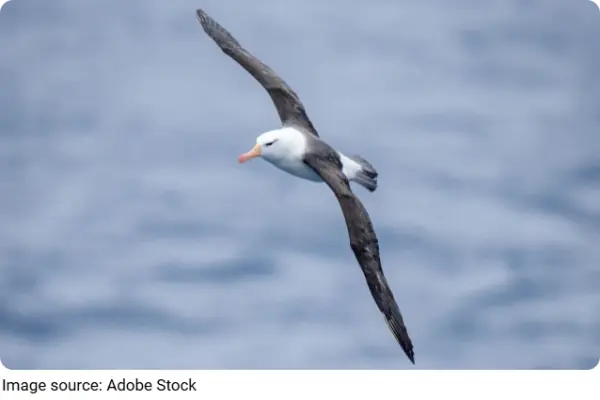
Seabirds live in some of the most dynamic environments on Earth, moving between rugged coastal nesting sites and vast, open oceans. Species such as the albatross can travel thousands of kilometers without touching land, gliding efficiently using wind currents across ocean basins. Others, like puffins, split their time between sea and steep cliffs, returning regularly to breed and raise their young in large nesting groups.
What’s Inside a Rhino Horn?
Tiny deer alone in grass—abandoned or protected? The answer may surprise you!
The Real Reason Koalas Rest So Much
Cleaning fur or making allies? The answer may surprise you more than expected!
Koi stay by the waterfall? More oxygen, cooler flow, or a hidden pond habit!
Why stay active in warm weather? Their summer tricks may surprise you!
Masters of Flight and Survival
What makes seabirds unique is their ability to thrive in both air and water environments. Their wings are specially adapted for long-distance flight, allowing them to conserve energy while searching for food across huge ocean expanses. Many seabirds feed by diving into the water or skimming the surface to catch fish, squid, and other marine life.
Some species, such as puffins, are expert divers that use their wings to “fly” underwater while hunting fish. Others, like gulls and frigatebirds, rely more on surface feeding and opportunistic hunting, adapting their behavior based on available food sources.
Life Tied to the Sea
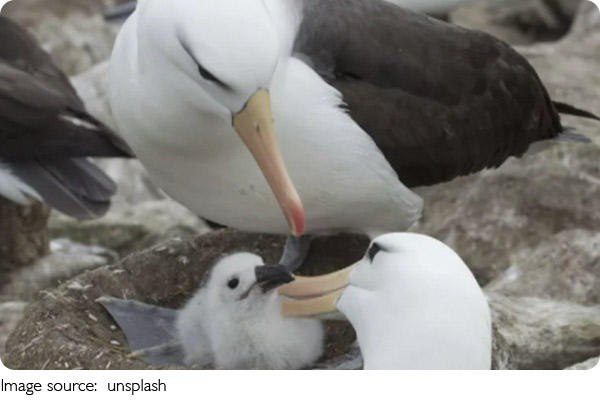
Despite their freedom in the sky, seabirds remain closely tied to land during breeding seasons. They often return to the same nesting sites year after year, forming dense breeding groups on isolated islands or coastal cliffs. These locations offer protection from predators while providing easy access to the sea for feeding.
Parent seabirds invest significant energy into raising their chicks, often taking long foraging trips across the ocean to bring back food. This balance between long-distance travel and careful parenting is a defining feature of seabird life.
Navigators of the Natural World
Seabirds are remarkable navigators. Many species can detect subtle changes in wind, ocean currents, and environmental cues to locate productive feeding zones far from land. This ability allows them to survive in the constantly changing marine environment.
Their movements also play an important ecological role. By connecting land and sea ecosystems, seabirds help transport nutrients across environments, supporting marine and coastal biodiversity.
The life of seabirds is a story of adaptation, endurance, and balance. From soaring above stormy oceans to returning faithfully to rocky nesting grounds, they embody the rhythm of the sea itself. Their survival depends on the stability of marine ecosystems and the protection of coastal habitats, reminding us how deeply interconnected ocean life truly is.